Curate Your Attention: How an Artist Finds Inspiration in the Everyday

Updated: Apr 1
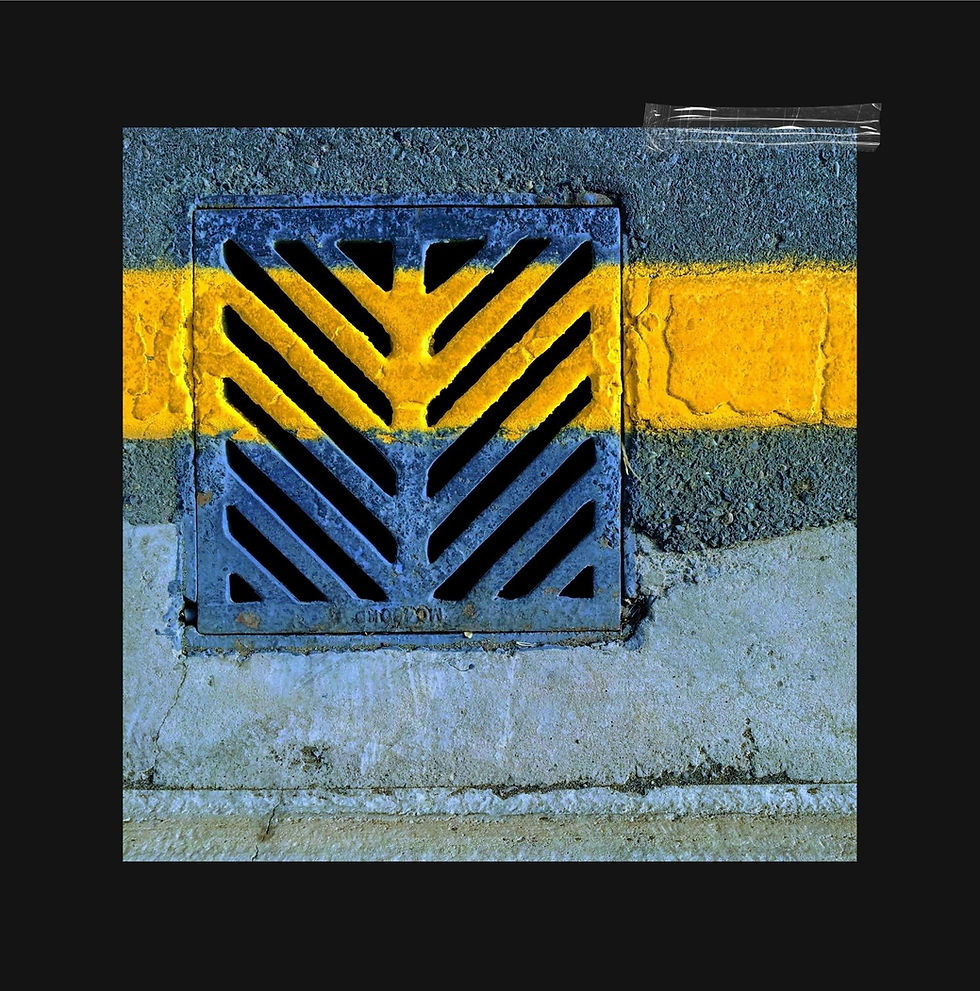
It was a freshly laid band of yellow paint intersecting a manhole cover. I had walked that street a hundred times. That day, something about the way the line cut across the grate demanded my attention.
The geometry of it. The fact that nobody had intended it to be beautiful, and yet there it was.
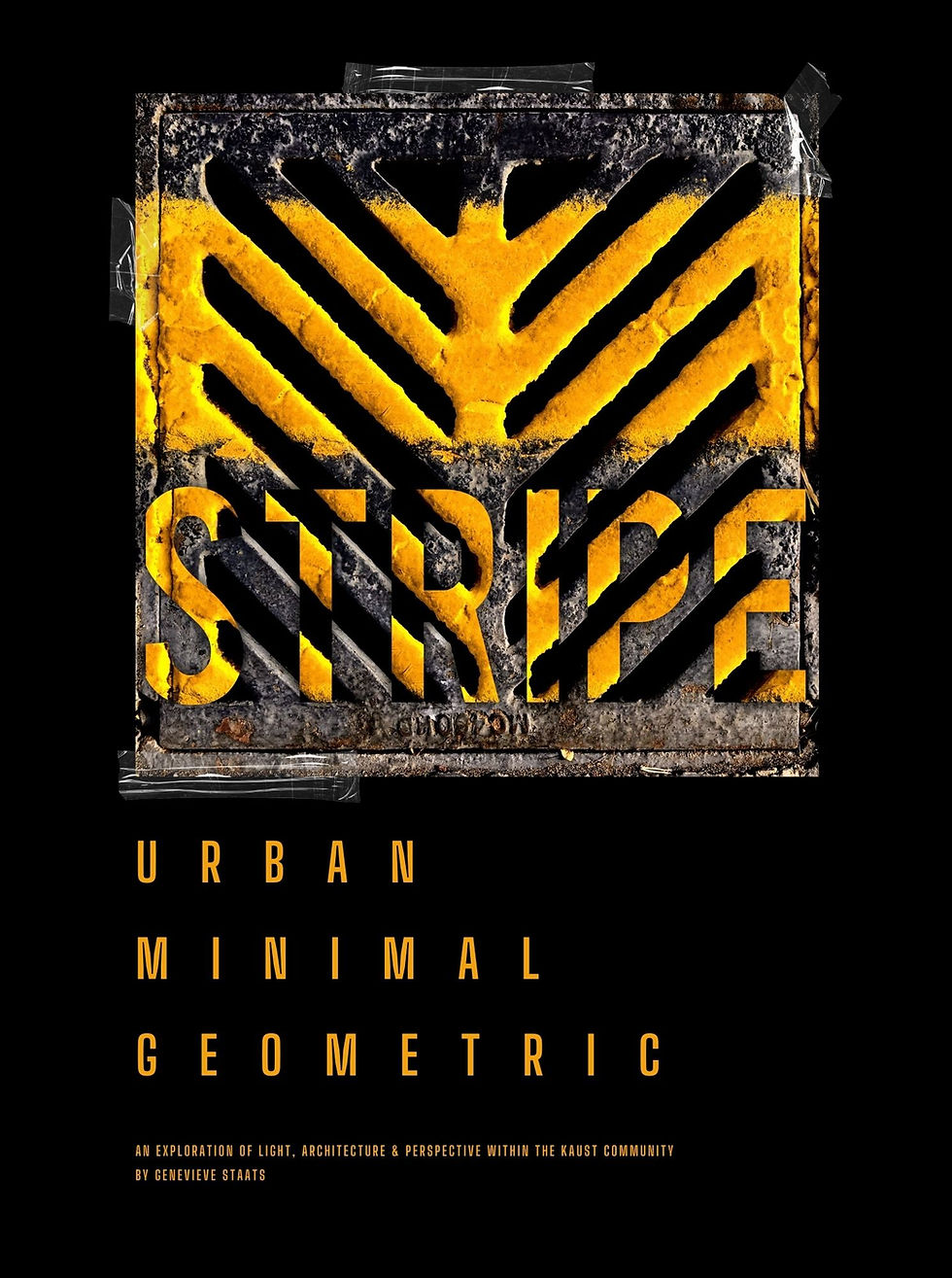
That moment became a book. STRIPE: Urban Minimal Geometric. Made entirely on a phone camera, photographing the same community I'd lived in for years.
When you live in a compound, inspiration doesn't knock. You have to go looking for it every single day. The streets repeat. The houses are identical. Even the furniture is the same. For a working artist, that kind of environment is either a challenge or the best training you'll ever get. I chose to treat it as training.
That's what I mean by curating your attention. It's a practice and a philosophy. The geometric echo of a tile pattern in a modern facade. A shadow that lands at exactly the right angle at 4pm. A cultural detail buried in a piece of architecture that most people walk past on autopilot. My job is to find that detail and make it impossible to ignore.
This is a skill that has taken forty years to develop. Not in any formal sense, but in the daily sense. The walk-to-work sense. The what-did-I-notice-today sense. It doesn't switch off. Once you train your attention this way, the world around you becomes the gallery. The street. The corridor. The quality of light through a window at a specific time of day.

It shows up differently depending on the work. In the cultural collections, it means weaving a piece of history or a traditional motif into a contemporary palette so seamlessly that you feel it before you can name it.
In photography, it means slowing down. Curating your environment. Distilling the ordinary into moments worthy of an international gallery wall.
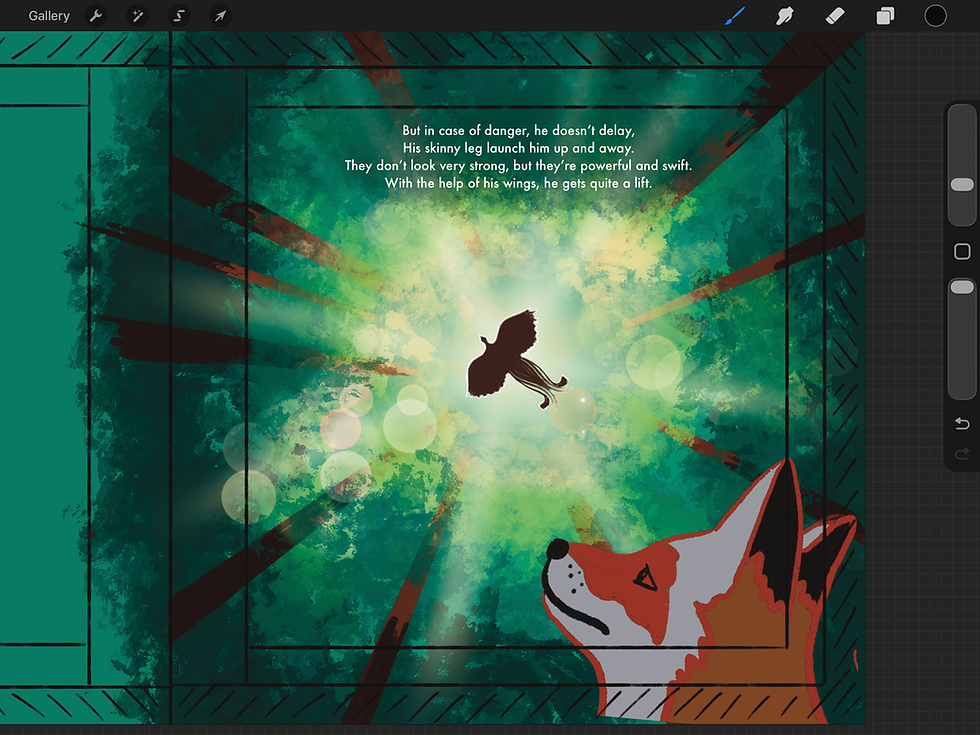
In writing and illustrating children's books, it means choosing words that resonate rather than the first ones that arrive. And illustrating light the way I've learned to see it, as something that transforms the ordinary. The kind of magic so great it moves beyond the pages.
In a world generating infinite images by the second, the rarest thing is a human eye that knows what to look for, and a human hand to create from imagination formed y empathy, emotion, and real life experience.
This blog is where I'll write about that practice. The commissions, the books, the exhibitions, the cultural research, and the small unremarkable moments that started everything. Because the most brilliant ideas begin by finding the extra in the ordinary.
If something in this post resonated, there is more to explore. Browse my portfolio, discover STRIPE on Amazon, or get in touch about a commission. The work starts with a conversation.

Comments